
Qigong Basics for Beginners: What It Is, Why It Works, and How to Practice at Home

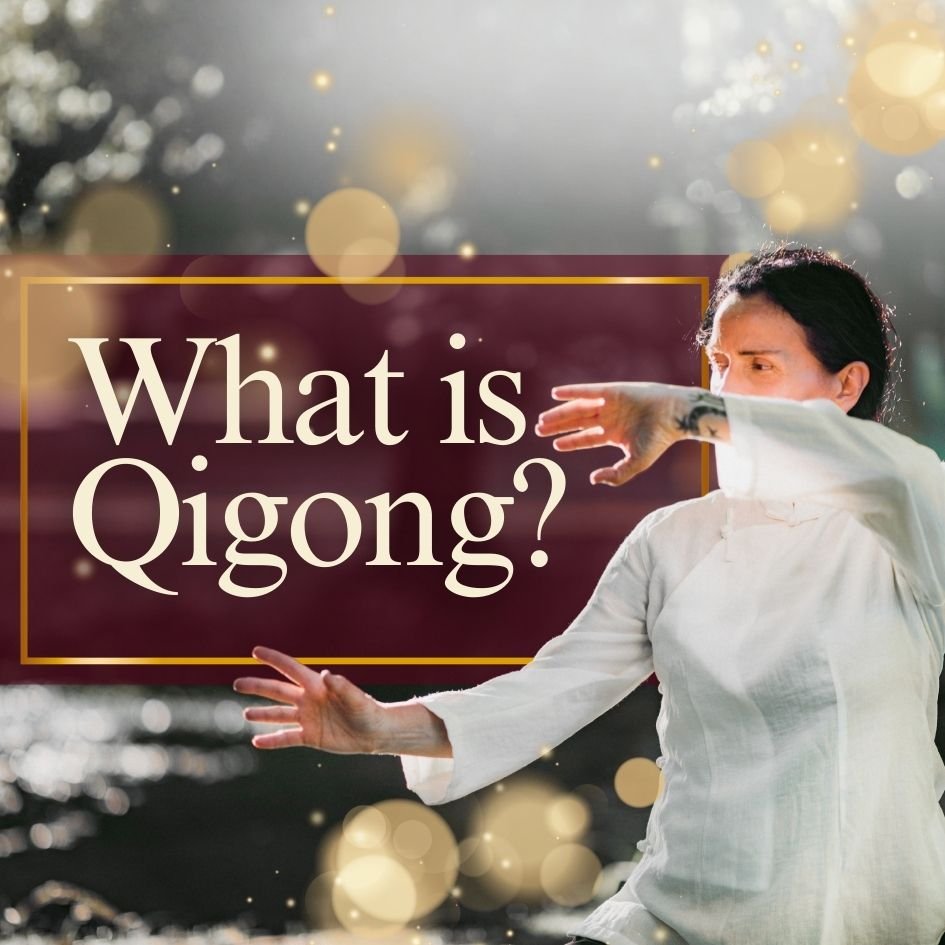
What is Qigong and Taoist Yoga and how do they work?
Qigong and Taoist Yoga are gentle movement systems that regulate breath, relax the body, and encourage smooth energy flow.
The word Qi means life force or vitality. Gong means skill. Together they mean the skill of working with your energy.
In our Great Energy approach to Qigong, the goal is simple.
We help people release tension so energy can move again. When the body softens, the breath deepens. When the breath deepens, the nervous system settles. When the nervous system settles, clarity returns.
Modern research supports this. Qigong practice has been shown to improve markers of stress, mood, balance, immune function, and quality of life [^1].
This is why Qigong feels so different from posture-based systems like hatha or vinyasa yoga. The focus is not on alignment. It is on letting go. Deep dive: What Is Qigong? Benefits, Practices, and How to Get Started
Anyone can start because you do not need flexibility, strength, or prior experience. Everything is done at a pace that matches your body.
Is Qigong easy to learn and can I learn Qigong online?
Yes. Qigong is one of the simplest movement practices to begin. The shapes are straightforward. The emphasis is on breath and softness. You can learn the basics online without difficulty.
We often tell our students this. If you can breathe, sway, and follow a simple pattern, you can practice Qigong.
Taoist Yoga adds a philosophy of naturalness and ease. It asks you to move like water, not force like fire. This is why the practice works so well online. Most movements are done standing or seated. There is no need for multiple camera angles or adjustments.
For many students, learning online lowers the barrier. It allows them to slow down, follow at their own pace, and repeat lessons as needed.
Try this 7 minute beginner Qigong Routine - release stress and tension, welcome inner healing and a smooth flow of energy….

Who can practice Qigong and Taoist Yoga?
Everyone.
Qigong is adaptable for age, fitness level, mobility, and energy level. You can practice while standing, seated, or even lying down.
Yoga teachers often tell us they cannot always do strong yoga when they feel depleted or injured. They can always do Qigong. The practice softens what is tight and strengthens what is weak. It gives more than it takes.
Research shows that Qigong may help support populations experiencing chronic stress, fatigue, pain, or hormonal transitions [^2].
This makes it ideal in modern life.
What are the benefits of Qigong for stress, anxiety, hormones and chronic conditions?
The most consistent benefit we see is nervous system regulation.
Qigong lowers stress load, reduces muscle tension, and quiets mental pressure. The breath naturally deepens and rhythm returns. When the nervous system calms, everything else improves.
NIH-reviewed studies show Qigong can reduce anxiety, improve sleep, support immune activity, and lower perceived stress [^3].
This aligns with what we see every week in our community.
Qigong also supports balance in women navigating perimenopause and menopause.
It steadies moods.
It reduces stress reactivity.
It helps restore energy when the body feels taxed.
Taoist Yoga adds the principle of naturalness. Your energy moves when it is ready. There is no forcing.

What happens when you practice Qigong every day?
When you practice Qigong daily, the body remembers how to soften more quickly. Breath becomes deeper without effort. You begin the day grounded.
In our teaching we see three consistent results:
You recover faster from stress
You have more steady energy
You become less reactive and more spacious inside
Daily practice also builds familiarity. Movements feel natural. Quiet arrives sooner. This is why even ten minutes a day is meaningful. Qigong is powerful! Read more about why Qigong is so powerful….actice Qigong and when is the best time to practice?
You can practice Qigong daily or a few times a week. The sessions can be short. Even five to ten minutes has value.
There is no strict best time.
Morning builds energy.
Evening settles the system.
Midday resets your attention.
The guideline is simple. Practice when you can stay present. Qigong works through quality, not intensity.
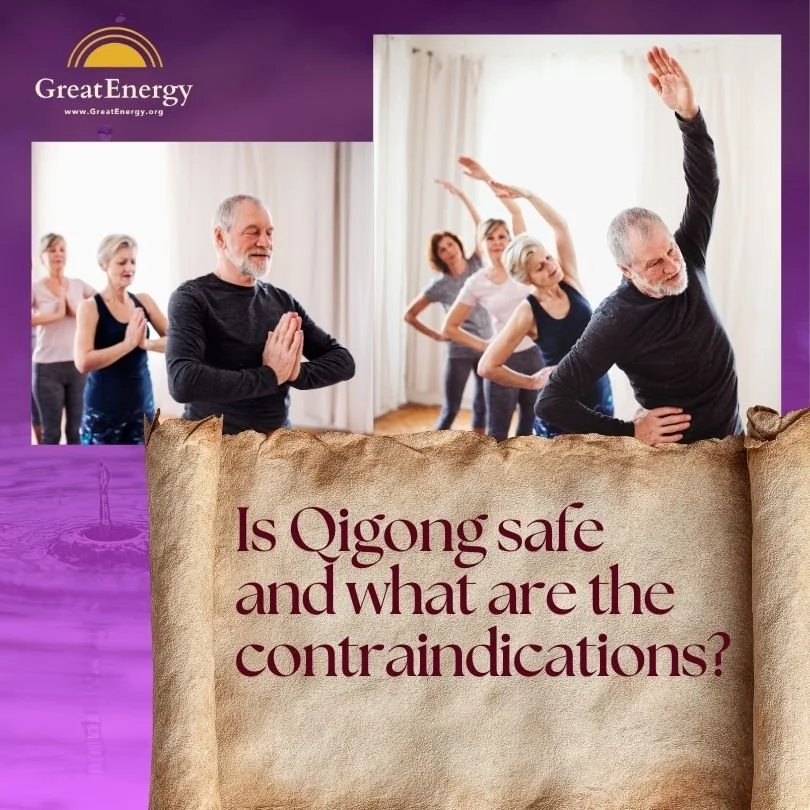

Is Qigong safe and what are the contraindications?
Qigong is considered safe for most people and is associated with very low risk of injury [^4]. Movements are slow, controlled, and adaptable.
People with major medical conditions should consult their provider before beginning any new physical practice. This includes concerns such as balance issues or severe cardiovascular instability.
For most students, the greatest risk is doing too much too soon. We teach our students to stop before strain and to let the body open at its own pace.
How do I choose a Qigong teacher or Taoist Yoga program?
Look for a teacher who:
understands nervous system regulation
teaches softness not tension
keeps movements simple
emphasizes breath and ease
guides without force
welcomes beginners
If the practice leaves you calmer and more centered after ten minutes, you are in the right place.
A good program should also pace you well.
It should offer structure, progression, and community support.
It should explain why the movements matter.
It should help you feel grounded, not overwhelmed.
Now I’m sure you are wondering is Online Qigong Certification Legit?
How long before I feel results from Qigong?
Many people feel results within the first session. A sense of warmth, grounding, or calm arrives quickly because the body recognizes the state.
More lasting changes such as better sleep, steadier energy, lower stress, or improved mobility may take a few weeks of regular practice.
The nervous system responds to consistency. Little and often goes further than long sessions once in a while.
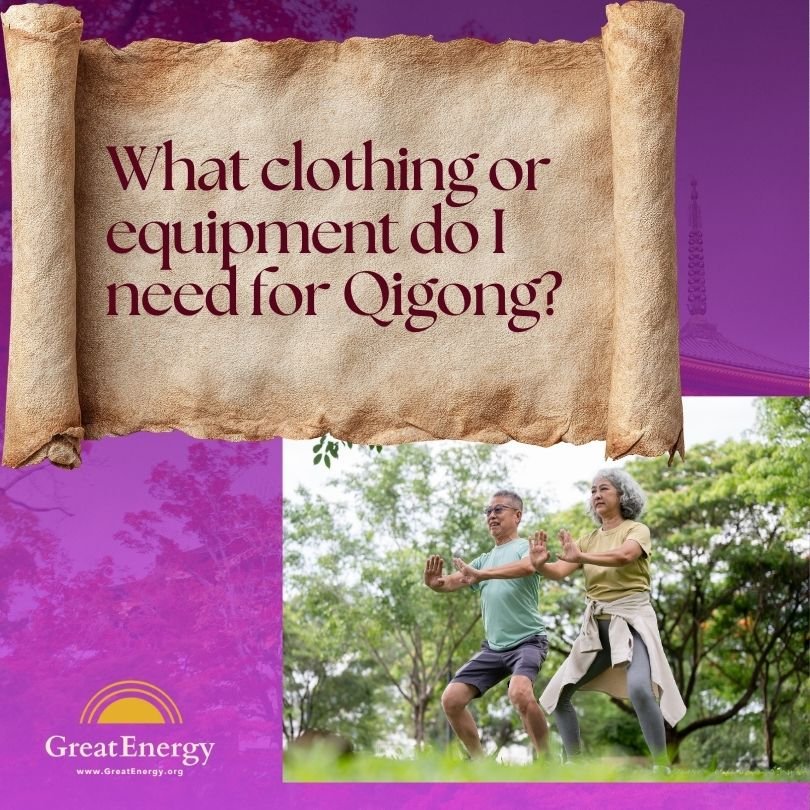
What clothing or equipment do I need for Qigong?
Wear comfortable clothing.
Have space to move your arms in every direction.
Flat shoes or bare feet both work well.
One of the gifts of Qigong is simplicity.